
Pillar | Description |
Transparency | Disclosing when content is AI-generated (e.g., watermarking) and explaining how models make decisions. |
Accountability | Establishing who is responsible when an AI system causes harm or provides false information. |
Inclusive Design | Using diverse datasets and involving a wide range of stakeholders during the development process. |
Human-in-the-Loop | Ensuring critical decisions (medical, legal, financial) are reviewed by humans rather than fully automated. |
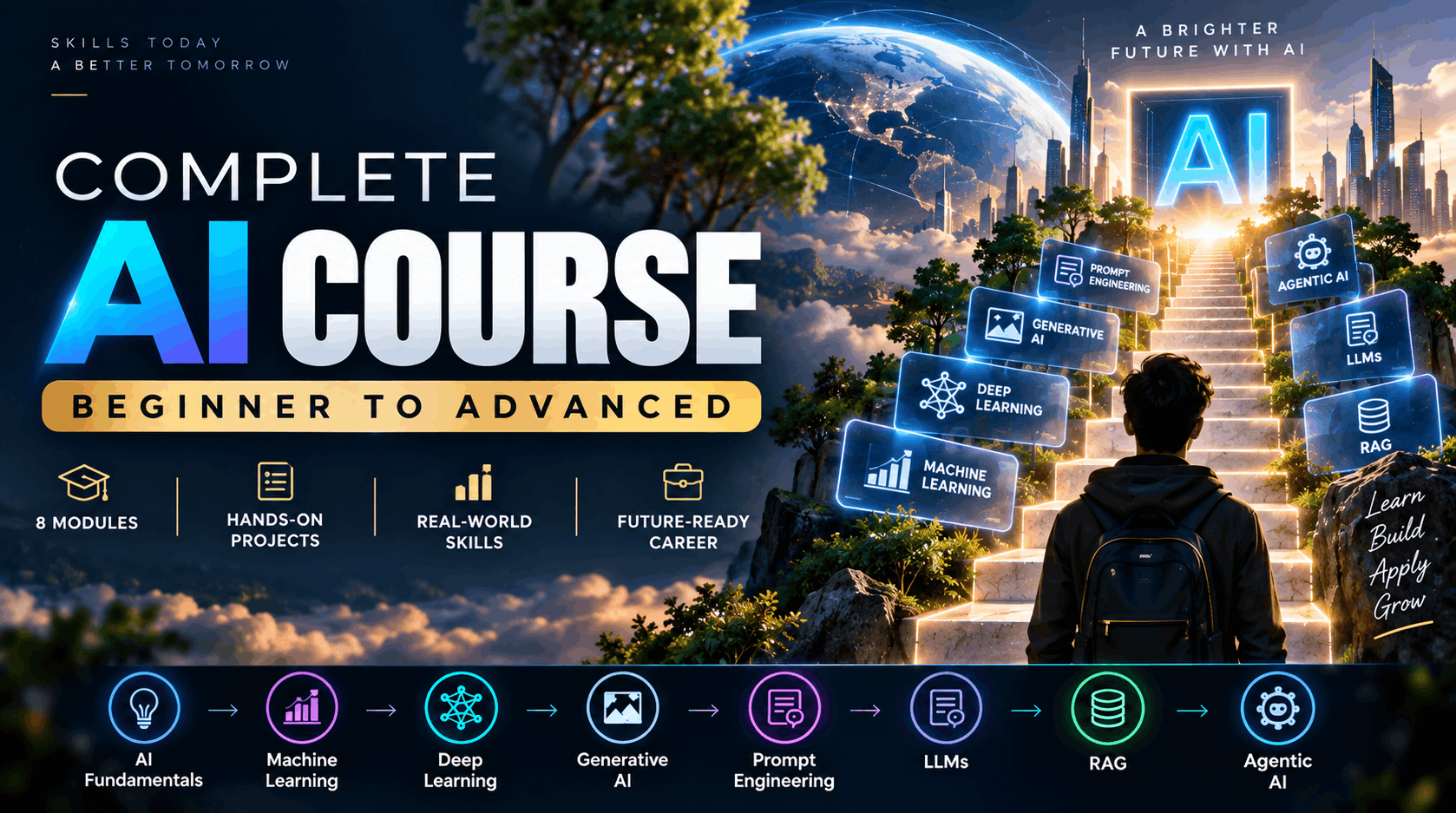 3 MONTHS
Learn Artificial Intelligence from fundamentals to advanced Agentic AI through 8 structured modules...
 15 Days
BBA in Hospitality and Hotel Management एक 3 वर्षीय करियर-केंद्रित स्नातक कार्यक्रम है, जो छात्रों क...
 1 Year
Hotel Management Diploma (RISE Program)- Learn & Earn Mode RISE: Real-world Integrated Skills for...
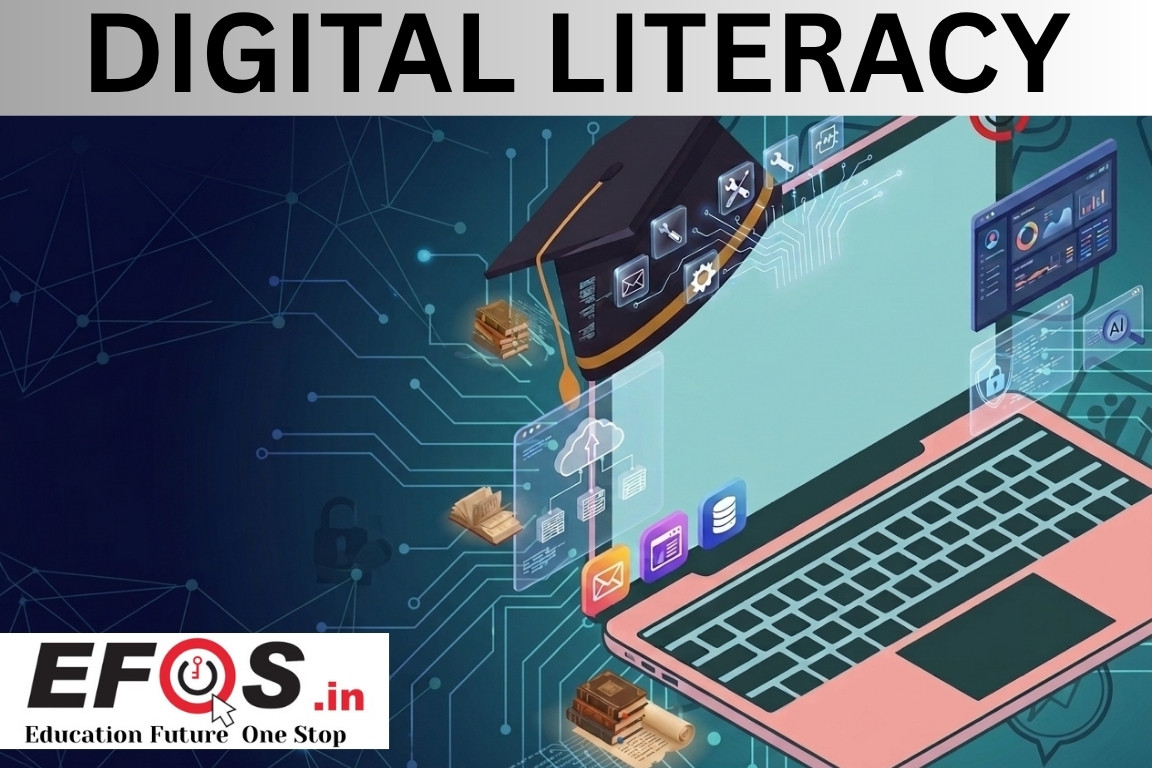 1 MONTHS
Digital literacy is the ability to use digital devices, the internet, and online tools safely and ef...
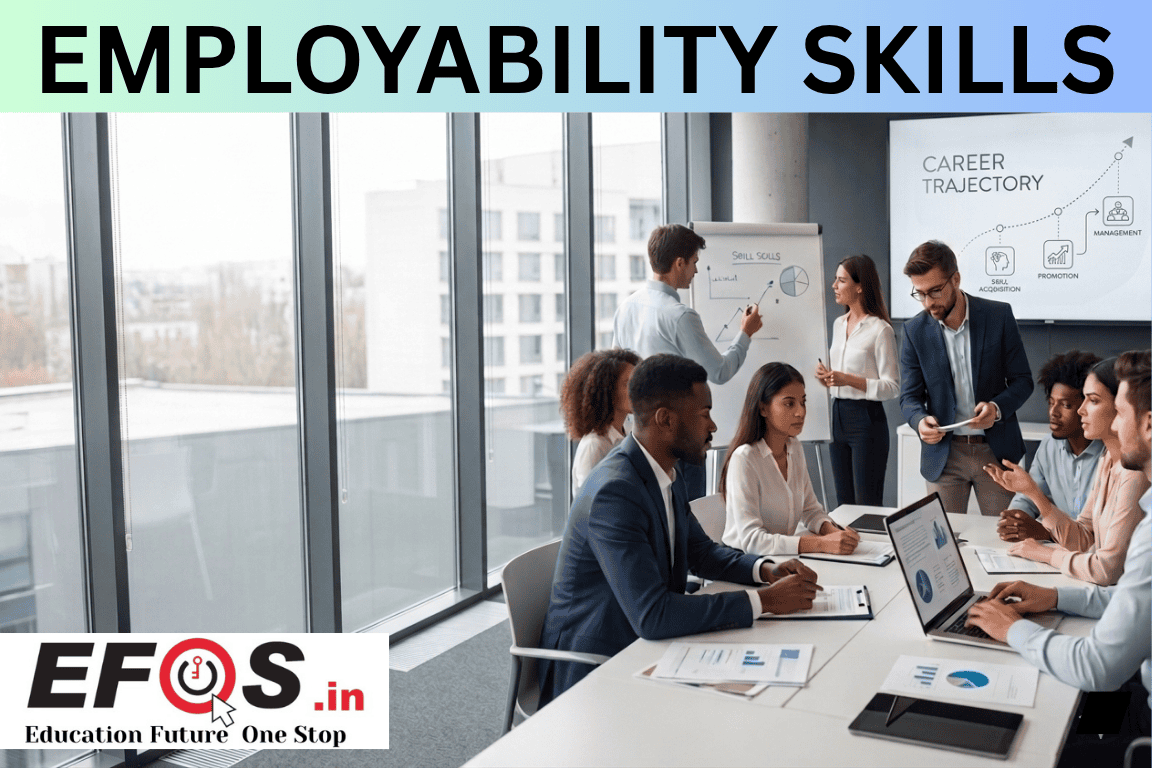 1 MONTHS
Employability skills are the basic skills and qualities needed to get and succeed in a job. They inc...
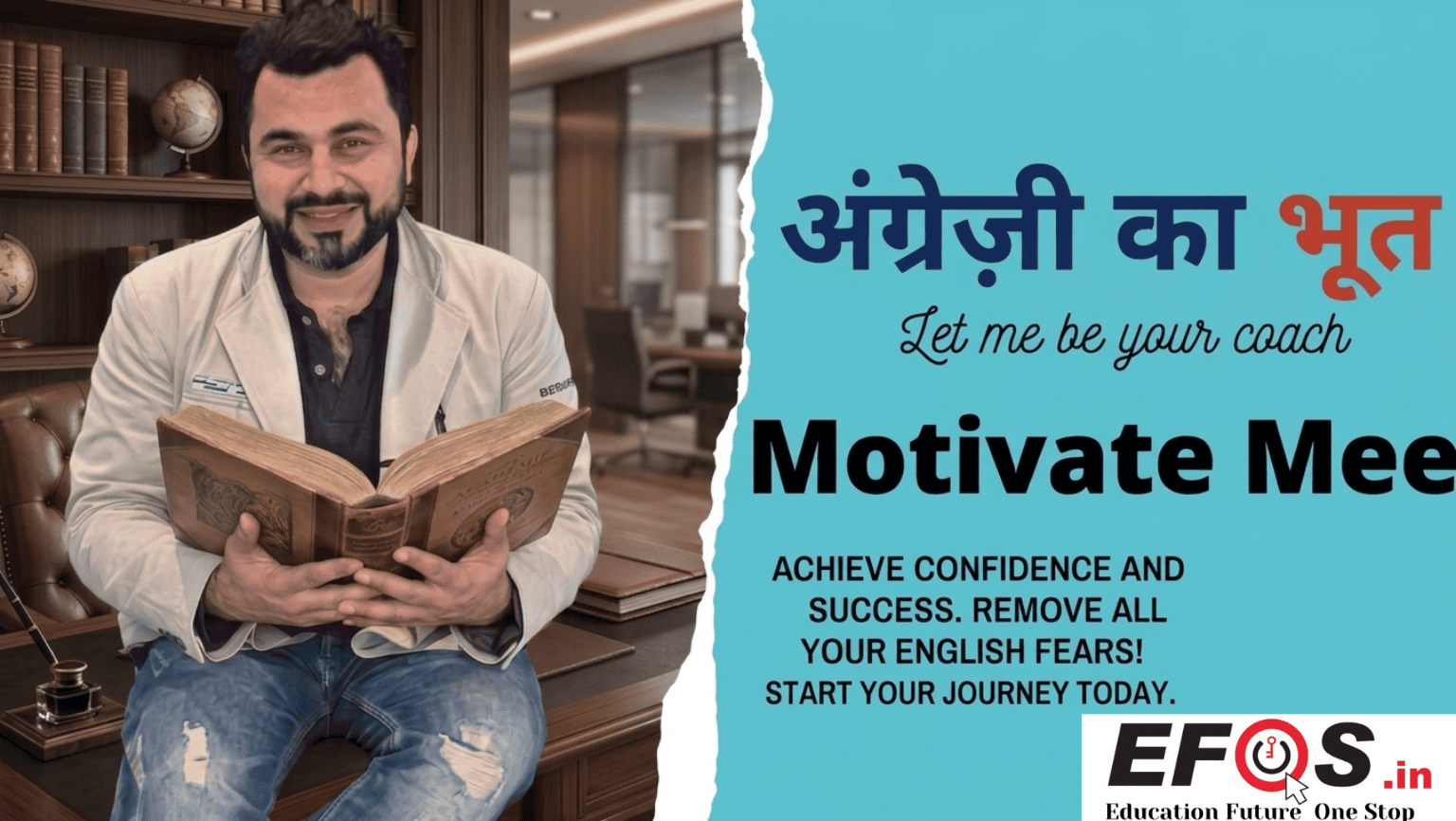 1 MONTHS
“Angreji Ka Bhoot” is a fun and learning-based concept that shows the fear of English is just a mind...