
Prompt engineering vs normal AI usage
The difference between "normal AI usage" and "prompt engineering" is similar to the difference between casual photography and professional cinematography. One is about capturing a quick moment; the other is about mastering technical settings to tell a precise story.
At a Glance: Comparison Table
Feature | Normal AI Usage | Prompt Engineering |
Input Style | Conversational, short, and vague. | Structured, detailed, and iterative. |
Mindset | "I hope the AI gets what I mean." | "I am directing the AI to follow a process." |
Technique | Simple questions (Zero-shot). | Chain-of-thought, few-shot, and personas. |
Consistency | High variability (different results each time). | High reliability (predictable, stable results). |
Goal | Quick answers or simple tasks. | Building tools, automation, or complex logic. |
1. Normal AI Usage (The "Consumer" Approach)
Normal usage is the "chat" experience. You treat the AI like a magic search engine or a helpful assistant that can read your mind. It is perfect for low-stakes tasks where "good enough" is the standard.
2. Prompt Engineering (The "Architect" Approach)
Prompt engineering is a technical discipline. It involves understanding how a Large Language Model (LLM) "thinks" and using specific frameworks to steer it. You don't just ask; you construct.
Key Techniques used by Engineers:
 15 Days
BBA in Hospitality and Hotel Management एक 3 वर्षीय करियर-केंद्रित स्नातक कार्यक्रम है, जो छात्रों क...
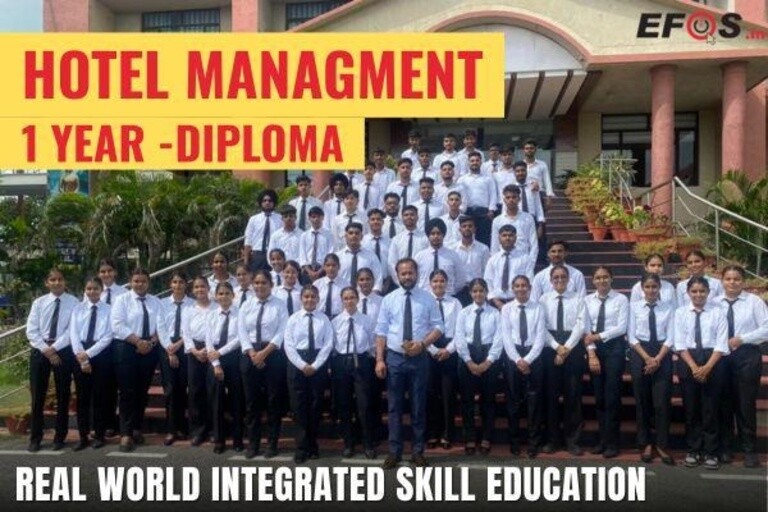 1 Year
Hotel Management Diploma (RISE Program)- Learn & Earn Mode RISE: Real-world Integrated Skills for...
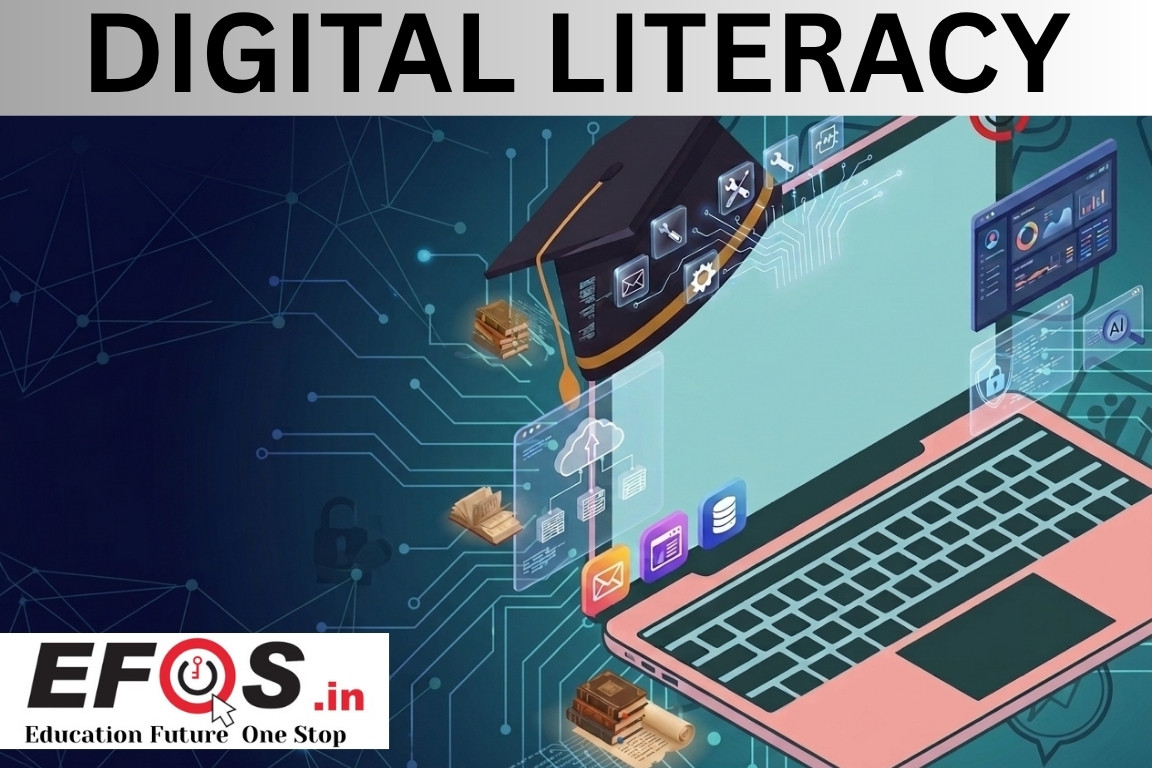 1 MONTHS
Digital literacy is the ability to use digital devices, the internet, and online tools safely and ef...
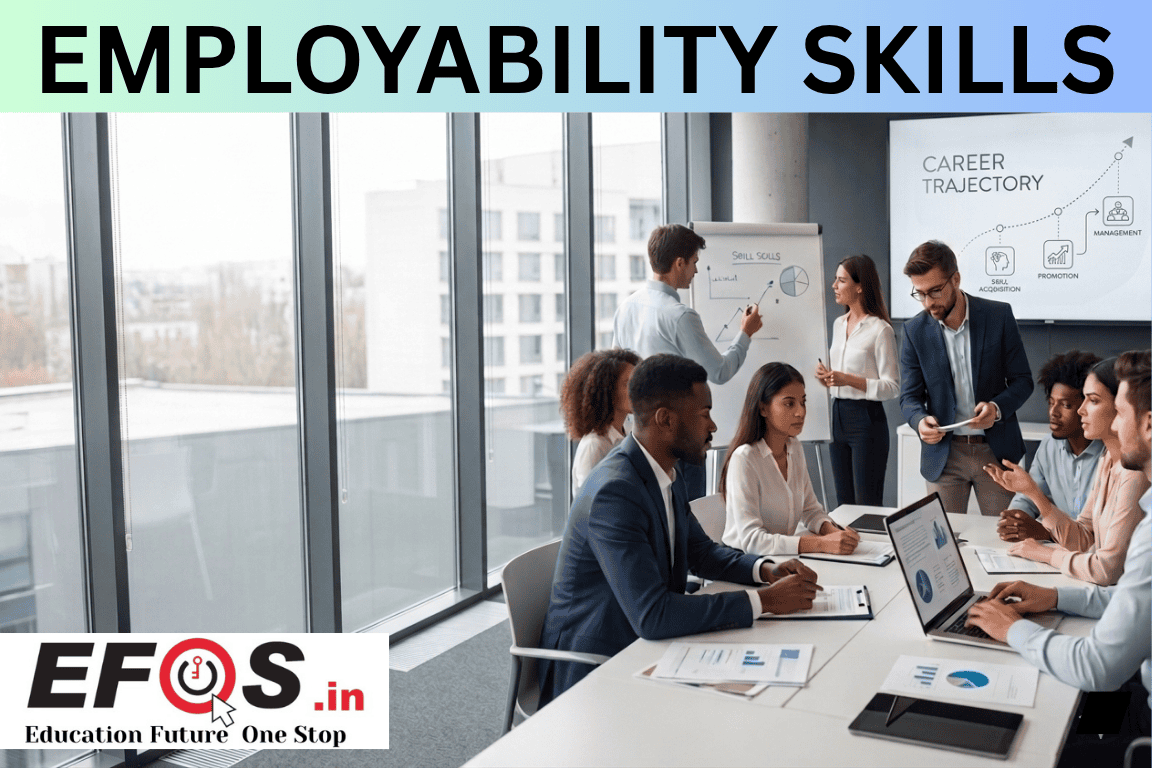 1 MONTHS
Employability skills are the basic skills and qualities needed to get and succeed in a job. They inc...
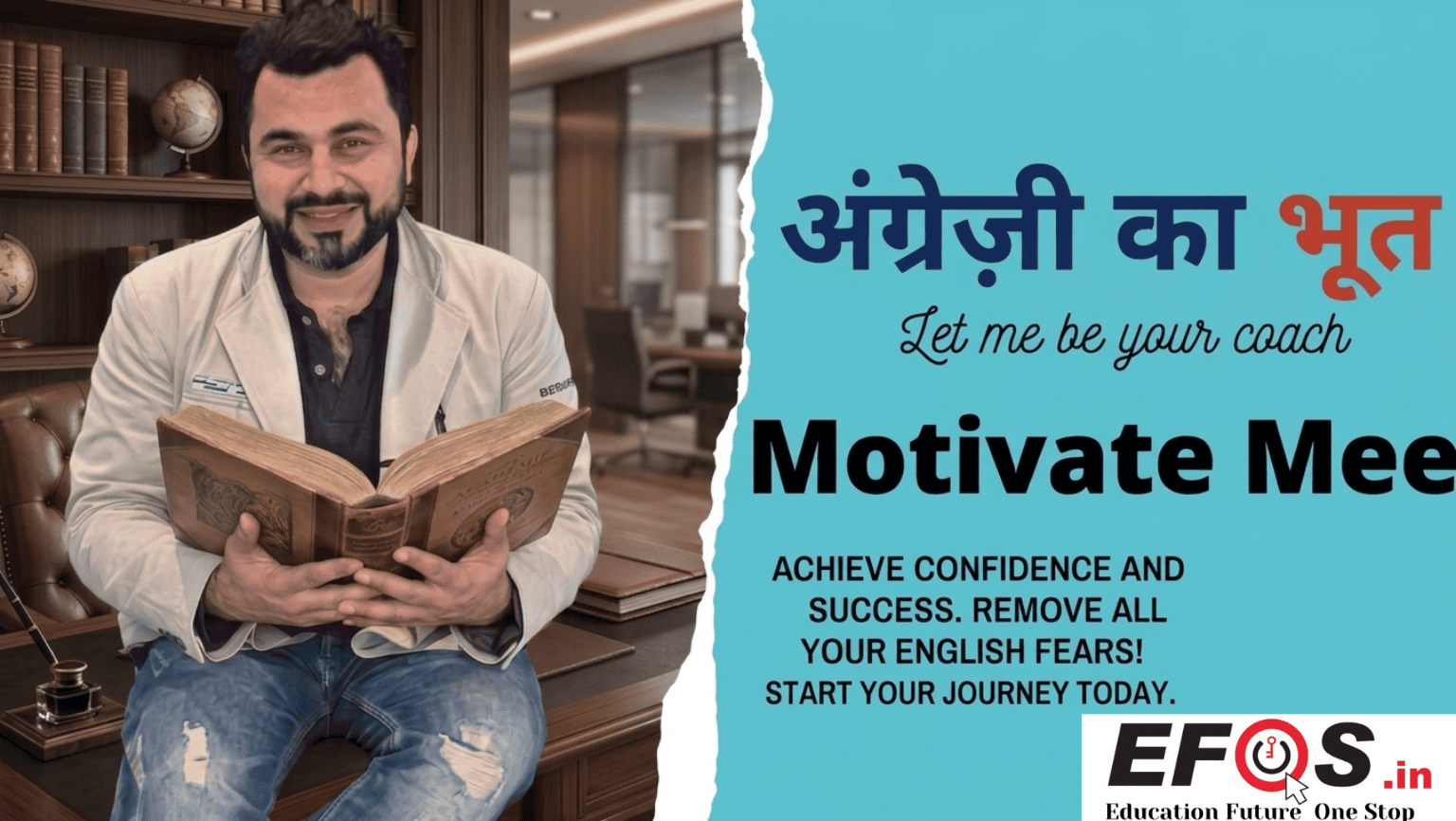 1 MONTHS
“Angreji Ka Bhoot” is a fun and learning-based concept that shows the fear of English is just a mind...
 3 MONTHS
A Basic English Course helps beginners learn essential grammar, vocabulary, and communication skills...