
Welcome to Module 7 — RAG & AI Knowledge Systems.
In this lesson, you will learn how to connect AI models with external and private knowledge so they can provide more relevant, contextual, and up-to-date responses. You will understand how Retrieval-Augmented Generation (RAG) works and how documents, embeddings, vector databases, retrieval, and Large Language Models work together to build knowledge-based AI applications.
Topics Covered:
RAG Architecture
Understand the complete RAG pipeline:
Documents → Processing → Chunking → Embeddings → Vector Database → Retrieval → Context → LLM → Response
Vector Databases
Learn how vector databases store and search embeddings efficiently.
Examples include:
Major Project:
Build a PDF/Company Knowledge RAG Assistant that allows users to upload documents and ask questions about their content. The system should process documents, create embeddings, store them in a vector database, retrieve relevant information, and generate contextual answers using an LLM.
Learning Outcome:
By the end of this lesson, you will understand the complete RAG architecture and how documents, chunking, embeddings, vector databases, retrieval, and LLMs work together. You will be able to design the foundation of a knowledge-based AI system capable of answering questions using external or private information.
Lesson Resources:
Video Lesson + Presentation PDF + Quize
 15 Days
BBA in Hospitality and Hotel Management एक 3 वर्षीय करियर-केंद्रित स्नातक कार्यक्रम है, जो छात्रों क...
 1 Year
Hotel Management Diploma (RISE Program)- Learn & Earn Mode RISE: Real-world Integrated Skills for...
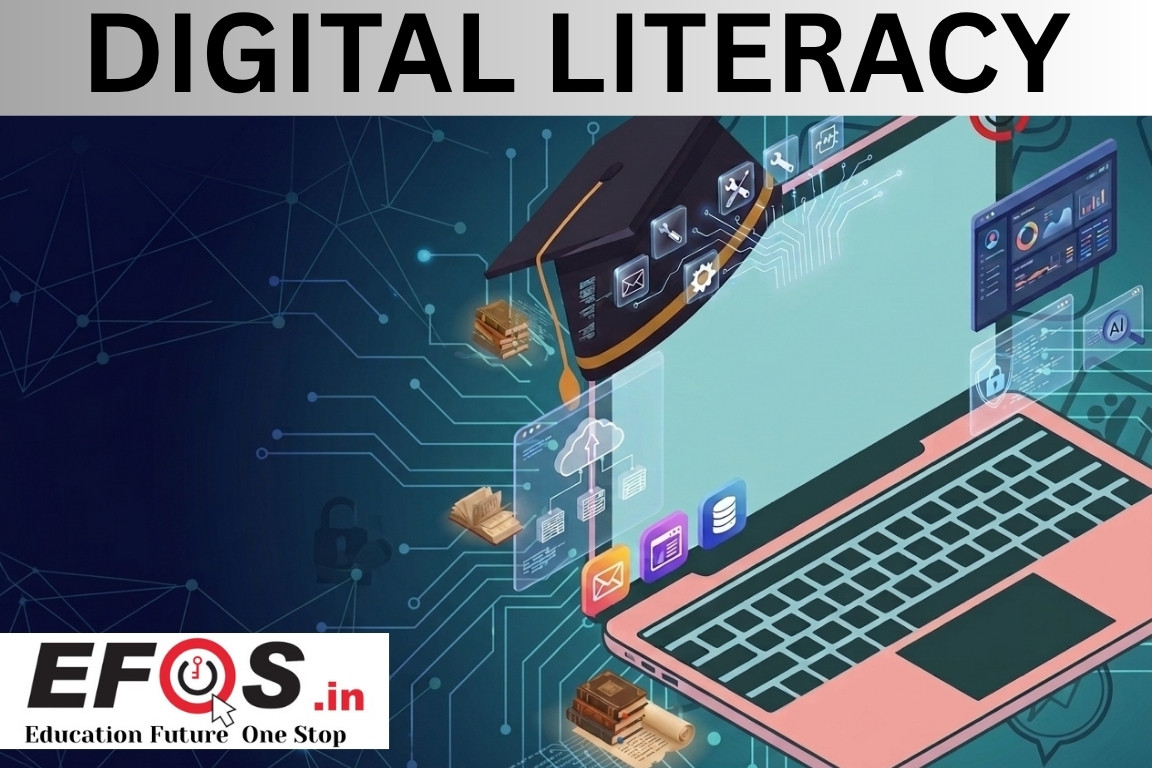 1 MONTHS
Digital literacy is the ability to use digital devices, the internet, and online tools safely and ef...
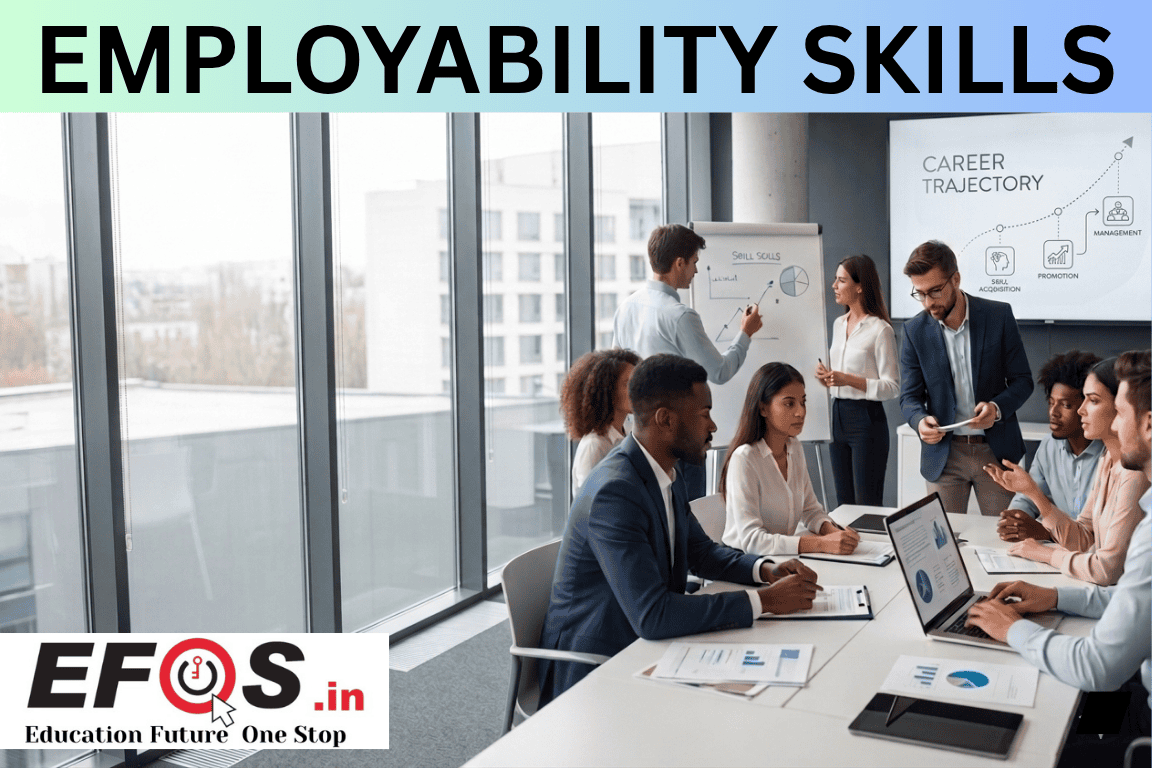 1 MONTHS
Employability skills are the basic skills and qualities needed to get and succeed in a job. They inc...
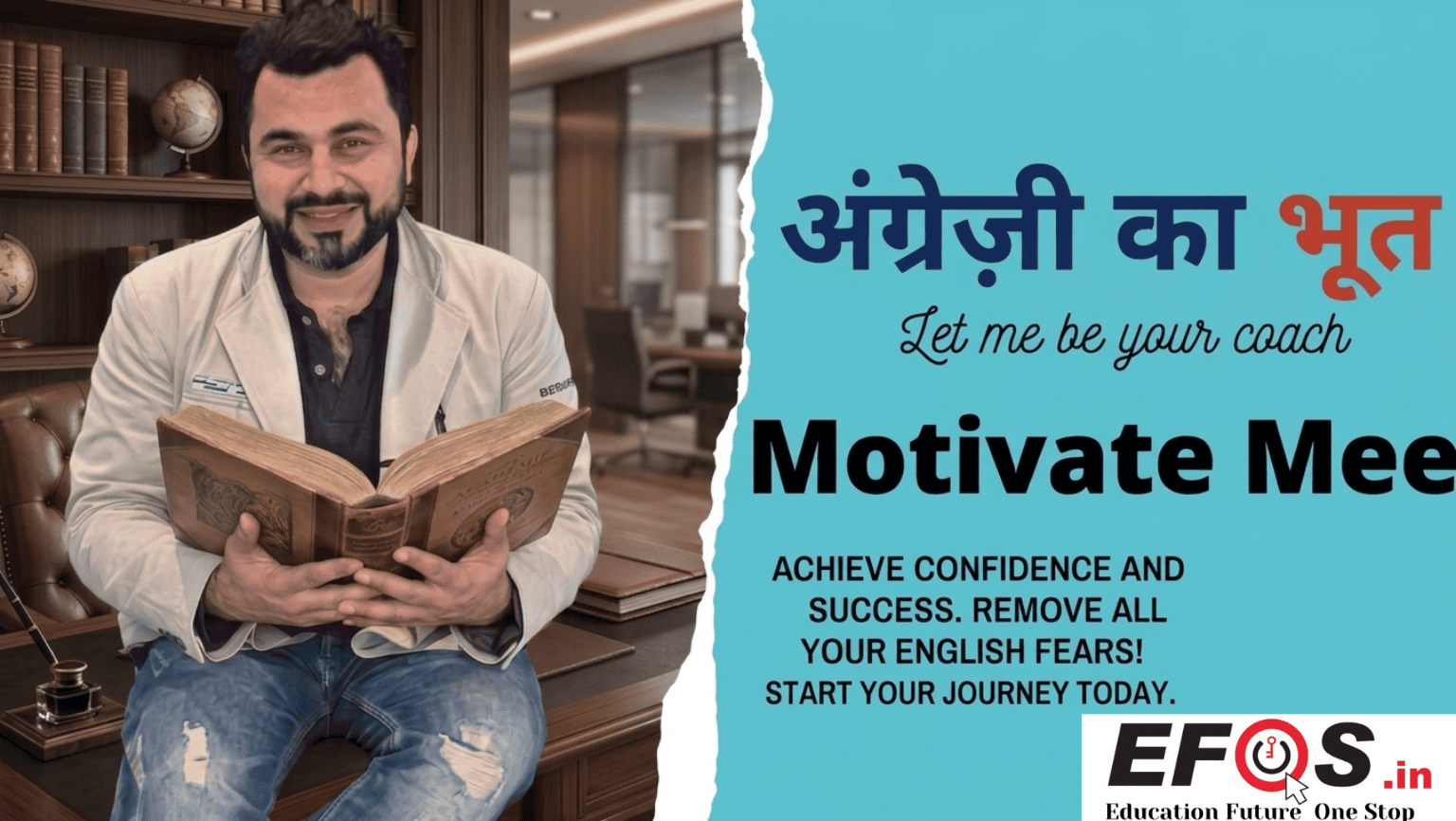 1 MONTHS
“Angreji Ka Bhoot” is a fun and learning-based concept that shows the fear of English is just a mind...
 3 MONTHS
A Basic English Course helps beginners learn essential grammar, vocabulary, and communication skills...