Basic Food Preparation Techniques
Video
Module 6: Food Production (Kitchen Basics)
Basic Food Preparation Techniques
Food preparation includes all the steps involved in getting ingredients ready before and during cooking. These techniques ensure food is tasty, hygienic, and cooked properly.
- Washing & Cleaning (Pre-preparation)
- Removing dirt, dust, pesticides, and bacteria.
- Includes washing vegetables, fruits, poultry, fish, and cereals.
- Ensures hygiene and safety.
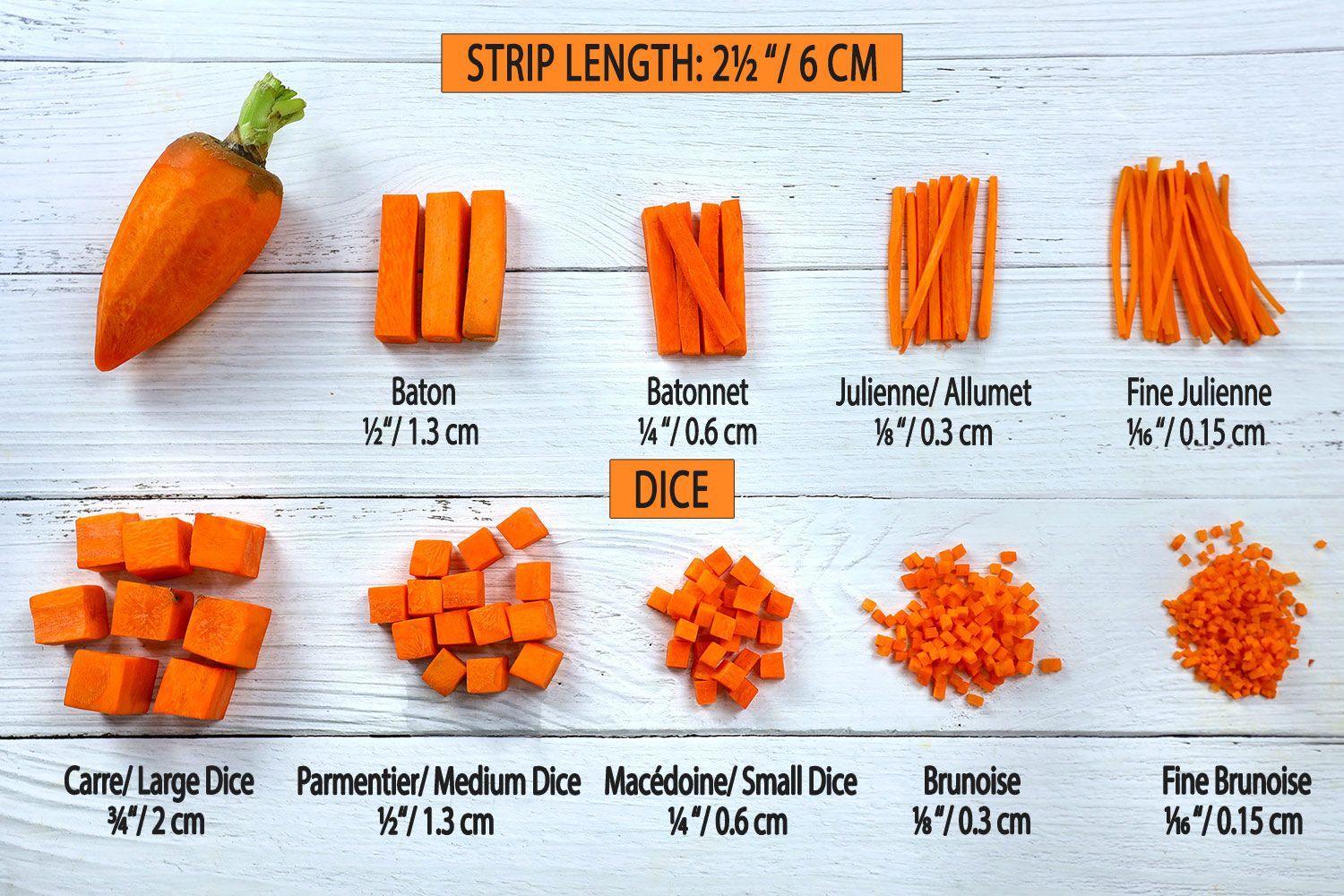
- Peeling & Cutting:- Common cutting styles:

- Chopping – rough, uneven cuts.
- Dicing – small, even cubes.
- Julienne – long, thin strips.
- Brunoise – very fine cubes.
- Slicing – thin, even pieces.
Proper knife skills help in fast, safe, and uniform cooking.

- Mixing & Blending
- Combining ingredients to make a smooth mixture.
- Tools: whisk, blender, mixer, spatula.
- Used in batters, sauces, dough, dressings.
- Marination
- Soaking food in a mixture of spices, acids (lemon/vinegar), yogurt, or oil.
- Purpose: tenderizing, flavoring, and improving texture.
- Cooking Techniques (Heat Methods)
A. Moist-Heat Cooking
- Boiling – Cooking in water at 100°C.
- Simmering – Gentle cooking below boiling point.
- Steaming – Cooking with steam; healthy method.
- Poaching – Cooking delicate foods in hot liquid (eggs, fish).
B. Dry-Heat Cooking
- Roasting – Cooking in an oven with dry heat.
- Baking – Used for cakes, bread, pastries.
- Grilling – Cooking on direct heat or flame.
- Broiling – High heat from above (oven top).
C. Fat-Based Cooking
- Sautéing – Cooking with a small amount of oil on high heat.
- Shallow Frying – Partially immersing food in oil.
- Deep Frying – Fully immersing food in hot oil
- Seasoning
- Adding salt, spices, herbs, and flavorings.
- Balances taste and enhances aroma.
- Includes herbs (coriander, basil), spices (chili, cumin), and sauces.
- Garnishing & Presentation
- Final step of food preparation.
- Improves the visual appeal of the dish.
- Examples: herbs, sauces, edible flowers, shaped vegetables.